

30 september 2026
COSH! opent haar eerste circulaire textielhub: een plek waar mensen mode en technologie kunnen ontdekken en voelen
- Nieuws / Pers
Lyocell en vele andere kunstmatige vezels (half natuurlijk en half synthetisch) worden op de markt gebracht als een duurzame oplossing voor de modesector. Ze zijn minder vervuilend en ademen beter dan synthetische vezels, verbruiken minder water en geven een zachter gevoel dan katoen. Maar is Lyocell nu echt zo’n wondermateriaal? COSH! neemt je mee in de voor- en nadelen.

Zacht, duurzaam alternatief voor katoen
Lyocell werd voor het eerst ontwikkeld door de Amerikaanse Enka in 1972 en heeft sindsdien veel populariteit gewonnen. We zien de stof vaak terugkomen als duurzamer alternatief voor katoen en zijde. Lyocell voelt zacht aan en heeft een luxueuze uitstraling en kan daarnaast goed gemixt worden met andere materialen waaronder katoen, zijde, rayon, polyester, nylon, en wol. Je kunt de stof vinden in sportkleding, chique jurken, maar ook in spijkerbroeken en T‑shirts. Kortom, het is een veelzijdig en enorm luchtig materiaal.
Lyocell is daarnaast ook nog eens stevig, absorberend en hypoallergeen. Hierdoor blijven er niet snel nare geurtjes in hangen en hoef je kleding van dit materiaal minder vaak te wassen. Wat natuurlijk ook goed is voor het milieu.
Het productieproces van lyocell
Er zijn dus heel wat voordelen aan kleding gemaakt van lyocell, maar hoe wordt deze stof precies gemaakt? Alle kunstmatige plantaardige textielsoorten worden gemaakt van natuurlijke materialen die cellulose bevatten. Cellulose zit in plantaardig afval van bamboe, berken, katoen, boomstammen, schors, bladeren en kan verwerkt worden tot vezels om textiel mee te maken.
De natuurlijke materialen worden eerst opgelost aan hand van een chemisch proces. Zo ontstaat een massa die door een zeef geperst wordt en daarna gesponnen wordt tot draden. Die draden kunnen op hun beurt geweven worden tot een stof. Belangrijk om te weten is dat bij de productie van lyocell geen giftige chemicaliën gebruikt worden en dat 99,5% van het oplosmiddel steeds opnieuw gebruikt kan worden.
Eucalyptusbomen in Europa en de VS?
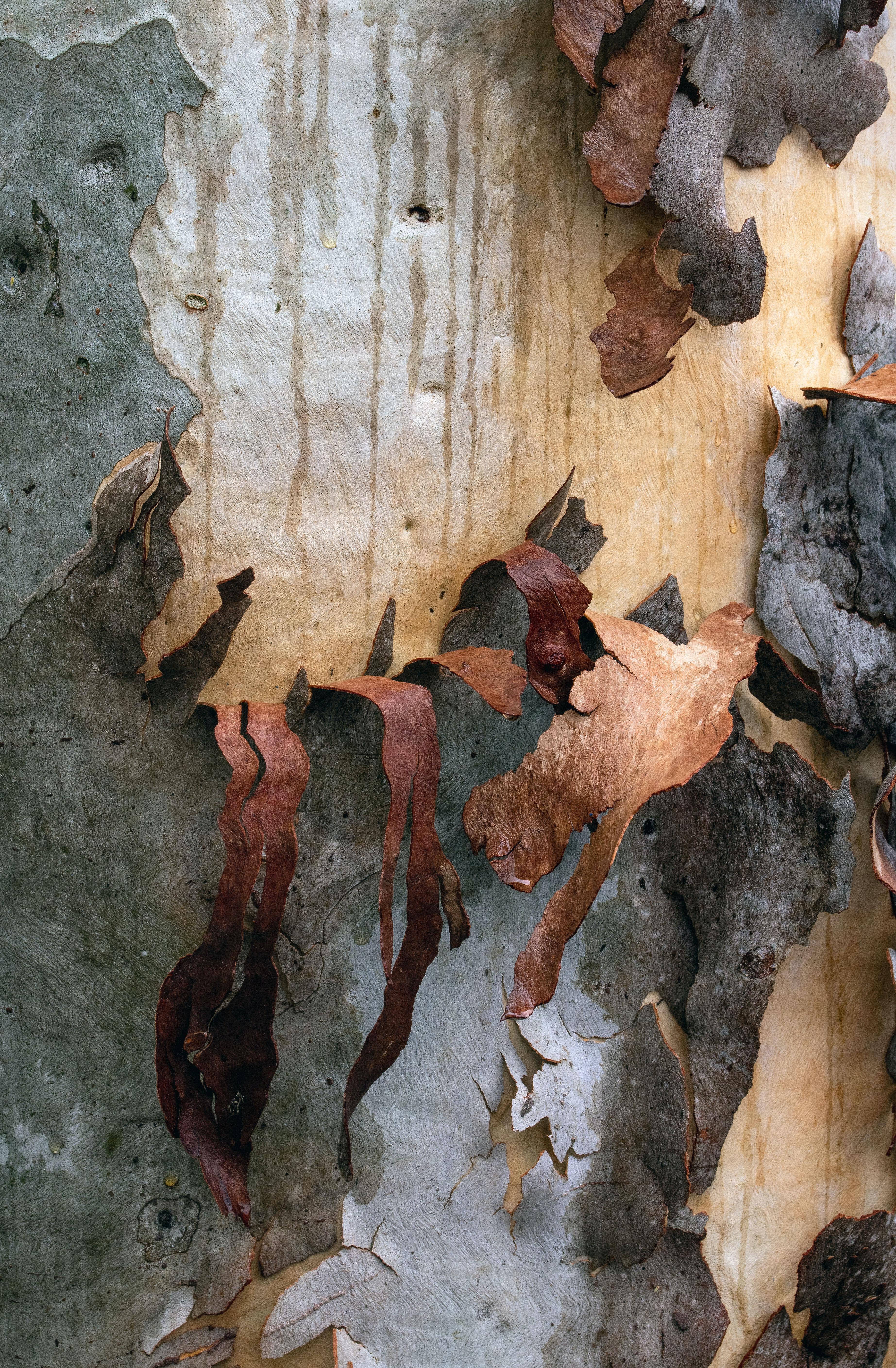
Veel lyocellvezels worden geproduceerd van cellulose uit Eucalyptusbomen in de Verenigde Staten en Portugal. Aangezien deze boom oorspronkelijk uit Australië komt, rijst de vraag welke impact deze bomen hebben op de biodiversiteit. Slechts weinig insectenplagen van de eucalyptus kwamen mee naar hun nieuwe omgeving en meer dan 50 Australische zoogdiersoorten die normaal in eucalyptusbossen leven, waaronder koala’s, wallaby’s en pademelons, alsook meer dan 200 vogelsoorten, werden niet samen met de eucalyptusbomen ingevoerd naar de landen waar we ze nu laten groeien. De bomen nemen naast een dreiging voor de lokale biodiversiteit ook een brandgevaar met zich mee, meer daarover lees je in een volgend artikel.
Het voordeel van eucalyptusbomen is dat ze snel groeien, er geen irrigatie en vrijwel geen bestrijdingsmiddelen nodig zijn. De bomen groeien ook goed op grond die ongeschikt is voor landbouw waardoor die grond toch een bestemming krijgt.
De milieu-impact van lyocell
Volgens de Higg-index, scoren viscosevezels dubbel zo goed op duurzaamheid als niet-biologisch katoen. Lyocell scoort ongeveer 10% beter dan gewone viscose. Maar de algemene score voor ‘opwarming van de aarde’ van zowel lyocell als viscose ligt juist hoger. Ze zijn aan de ene kant beter omdat ze minder water nodig hebben dan gewoon katoen, maar ze verbruiken een bijna even grote hoeveelheid (slechts 10% minder) chemicaliën dan gewoon katoen. Wat eigenlijk betekent dat biologisch katoen minder chemicaliën verbruikt dan viscose of lyocell.
Bovendien is het een boom die een grote hoeveelheid water nodig heeft uit de bodem (30% tot 50% meer dan inheemse bomen). Wat tegenstrijdig is, want als je de hoeveelheid benodigd water vergelijkt met het water dat nodig is voor bijvoorbeeld regulier katoen, komt lyocell toch beter uit de test. Het waterverbruik van de boom is de oorzaak van een enorm milieuprobleem dat zich de laatste jaren heeft ontwikkeld en zich voordoet in Spanje, Portugal, Californië en Zuid-Afrika.
De reden waarom de eucalyptus wordt verkozen in de papier- en mode-industrie is dat hij veel sneller groeit dan inheemse bomen. Daardoor bedraagt de opbrengst van 1 hectare eucalyptus per jaar 1000 euro in vergelijking met de opbrengst van dennenbomen die 300 euro bedraagt, dennenbomen kunnen worden gebruikt om viscosestoffen te maken. Om deze hoeveelheid eucalyptus te kunnen oogsten, moet men tien jaar wachten, terwijl dat voor dennenbomen 30 jaar vergt. Economisch gezien is de boom daarom heel aantrekkelijk. In de Spaanse regio Galicië leveren de eucalyptusbomen 4% van het BBP, de regio is sterk afhankelijk van de productie van dit materiaal.
De komst van eucalyptus in Europa is geregistreerd in de 18e eeuw, sindsdien heeft de boom zich verspreid in vele landen, voornamelijk in Spanje en Portugal. Nu, vooral door de klimaatverandering waarmee we worden geconfronteerd, vormt de eucalyptus een groter gevaar voor veel ecosystemen. In veel landen wordt de boom nu beschouwd als een invasieve soort waarvan de teeltgebieden moeten worden opgegeven of verkleind.

Eucalyptussen voor de teelt, worden gekweekt in rotatieperiodes van 12 jaar, waarin het kreupelhout ten minste tweemaal wordt gerooid. “In een inheems eikenbos zou je, op een hectare bos, minstens 70 of 80 plantensoorten aantreffen,” zegt Bingre. “In een eucalyptusbos vind je er nauwelijks meer dan 15.”
Maar het uitdrogen van de watervoorraden in dorpen was de aanleiding voor een golf van verzet tegen de “eucalyptisering” van Portugal. “Al sinds het midden van de jaren ’70 protesteren de mensen,” legt Bingre uit.
Een van de redenen waarom in de 18e en 19e eeuw de aanplant van eucalyptus wereldwijd een groot succes was, is dat deze plant door zijn hoge waterverbruik moerasgebieden zou helpen droogleggen en malaria zou terugdringen.
Gevolg 1
Door de chemische samenstelling van de bladeren zijn er geen inheemse ongewervelde dieren die deze kunnen verteren, de bladeren blijven daarom liggen op de bodem en dat leidt tot stikstof verarming van de bodem.
Gevolg 2
Eucalyptus creëert biochemische verbindingen die een negatieve invloed hebben op de groei, het voortbestaan of de voortplanting van andere organismen, waardoor de vestiging en/of de groei van andere soorten wordt belemmerd.
Gevolg 3
Daarnaast zorgt Eucalyptus voor verzuring en aantasting van de bodem. De eigenschappen van de bodem worden in sterkere mate veranderd dan bij bosbranden van inheemse Quercus robur-eikenbossen. Bovendien is de bodemwaterbalans afgenomen in vergelijking met de inheemse vegetatie, met name in droge, dorre of halfdroge klimaten.
Eucalyptus neemt in Portugal ongeveer 800.000 hectare bos in. Dat is goed voor één vierde van het Portugese bos. De bomen die er oorspronkelijk werden geplant om moerassen droog te leggen, geven inmiddels een nare bijsmaak voor de toekomst.

Eucalyptus neemt in Portugal ± 800.000 ha in en dat is goed voor 1/4e van het Portugese bos. De bomen die er oorspronkelijk werden geplant om moerassen droog te leggen, geven inmiddels een nare bijsmaak voor de toekomst.
Door de grote hoeveelheid gedroogde bladeren en schors die van de bomen op de grond vallen (die niet ontbinden) is er een groot brandgevaar in eucalyptusbossen. De bladeren bevatten een olie die zeer ontvlambaar is. Na brand ontspruiten de bomen intensief en komen er veel nieuwe aanplantingen. Daardoor kunnen met eucalyptus beplante gebieden in een vicieuze cirkel terechtkomen die moeilijk te doorbreken is (eucalyptus bevoordeelt vuur en vuur bevoordeelt eucalyptus ten opzichte van andere soorten). Met oog op de klimaatverandering is eucalyptus dus geen fijne boom. Wanneer er meer hittegolven zijn is de kans groot dat een boom vlam vat en dan verdwijnt een bos snel in het vuur.
Ook zijn er onopzettelijk soorten onkruid en plagen geïntroduceerd die samenhangen met Eucalyptus. Kortom, alle exotische soorten van het geslacht Eucalyptus verstoren de biodiversiteit in het getransformeerde milieu. Daarom worden alle soorten van het geslacht Eucalyptus, beschouwd als soorten die het milieu veranderen door de impact die ze hebben op de samenstelling en diversiteit van inheemse soorten.
Daarom is besloten om alle soorten Eucalyptus die in Spanje genaturaliseerd zijn, op te nemen in de Spaanse Catalogus van Invasieve Uitheemse Soorten. In Spanje vinden 50% van de bosbranden plaats in de regio Galicië. Na een grote brand in oktober 2017 heeft de regering van Galicië de uitbreiding van eucalyptusbossen stopgezet. Ook noemde de regering eucalyptus toen een brandversneller.
Tijdens die bosbrand in 2017 verbrandde er 5000 hectare eucalyptus, wat overeenkomt met 44% van de verbrande oppervlakte. De overige 56% bestond uit dennenbomen. In Galicië is er ongeveer 310.000 hectare eucalyptus, ongeveer 434.000 hectare naaldbomen (dennen) en ongeveer 415.000 hectare loofverliezend hardhout. Eucalyptus- en naaldbomen beslaan twee keer zoveel oppervlakte als loofbomen, maar verbranden vijf keer meer.
Ondanks de negatieve gevolgen die lyocell met zich meebrengt voor de omgeving, behoort het toch tot de duurzamere materialen. Lyocell heeft een kleiner waterverbruik, heeft veel minder chemicaliën nodig en is biologische afbreekbaar.
Het gevaar van lyocell ligt voornamelijk in de schaal waarop de stof wordt geproduceerd. Als veel modemerken het materiaal gaan inzetten ter vervanging van polyester en katoen, moet er veel geproduceerd worden, zijn er dus veel bossen voor nodig en ontstaan er problemen rondom biodiversiteit neemt het gevaar voor grote bosbranden toe. Als de hoeveelheid in toom blijft kunnen de zware gevolgen worden vermeden. Natuurlijk heeft ieder materiaal heeft zijn voor- en nadelen.
Vond je dit artikel interessant? Lees dan zeker ook ons artikel over Tencel, een soort lyocell van de producent Lenzing. Wil je steeds op de hoogte blijven van nieuwe artikels op COSH!? Schrijf je dan zeker in op onze maandelijkse nieuwsbrief hieronder.
Lees ook:
Welke impact heeft katoen op mens en milieu?
Hoe duurzaam en diervriendelijk is wol?


A Soft and more Sustainable Alternative to Cotton
First introduced by the now-defunct American fibre facility Enka in 1972, Lyocell has since become a highly popular fabric choice – and for good reason. Lyocell stands out as an exceptionally breathable material known for its soft texture and luxurious look. Its robustness, absorbency, and hypoallergenic properties make it a practical choice for everyday wear.
One of the most convenient features of Lyocell is its resistance to odours, meaning your clothes stay fresh longer and require less frequent washing.
What makes Lyocell even more versatile is its ability to blend seamlessly with various other materials, such as cotton, silk, rayon, polyester, nylon, and wool. This adaptability has seen Lyocell incorporated into a wide range of apparel, from sportswear and chic dresses to casual jeans, making it a multifaceted fabric suitable for various styles and occasions.

The production process
Lyocell is a human-made fibre derived from natural materials, specifically from the cellulose found in tree trunks, bark, and leaves. It’s predominantly made from eucalyptus wood pulp, transformed through a chemical process into a pulp that’s then spun into threads and woven into fabric.
Lyocell’s Environmental Impact
Lyocell, a common fabric in eco-friendly fashion collections, raises the question of its actual sustainability. According to the Higg Index, which regards Tencel highly (a Lyocell by Lenzing brand), viscose fibres derived from cellulose in wood pulp are twice as sustainable as cotton.
Lyocell performs about 10% better in sustainability than standard viscose, yet both have a higher ‘global warming’ impact than cotton. This could be due to Lyocell’s chemical usage, which is slightly less (10%) than regular cotton, indicating that organic cotton is more chemical-efficient.
It’s crucial to note that Lyocell’s production process is free from toxic chemicals and allows for an impressive 99.5% solvent reuse, ensuring minimal environmental contamination in Europe.
Despite these eco-friendly aspects, Lyocell’s water usage effectiveness is somewhat controversial. While it fares better than regular cotton, the eucalyptus trees used for Lyocell require significantly more water (30% to 50% more) than native trees. This high water demand has contributed to environmental challenges, especially and ironically in regions like Spain, Portugal, California, and South Africa, where eucalyptus plantations and drought are prevalent.

Originally from Australia, eucalyptus trees were introduced to Europe in the 18th century, mainly in Spain, Portugal, and the US. Initially planted to drain swamps and combat malaria, these trees have become controversial due to their high water consumption and impact on local ecosystems.
The global spread of eucalyptus trees in the 18th and 19th centuries was initially celebrated. However, this success brought unintended ecological consequences.
Since the mid-1970s, there have been protests against the extensive planting of eucalyptus in Portugal, known as “eucalyptisation,” which has led to the depletion of local water resources.
The introduction of this non-native tree has significantly impacted the environment and biodiversity. The natural inhabitants of eucalypt forests in Australia, including over 50 mammal species like koalas, wallabies, and pademelons, along with more than 200 bird species, were not translocated with the trees.
This omission has led to a loss of biodiversity in the regions where eucalyptus is now grown, exacerbated by climate change challenges. In various countries, the eucalyptus is increasingly regarded as an invasive species threatening local ecosystems, prompting calls for reducing or ceasing its cultivation.
Research from 2017 undertaken by the Ministry of Environment in Spain showed many negative consequences on Spanish ecosystems because of Eucalyptus tree expansion. We summarised the most important ones below.
The leaf litter from eucalyptus trees doesn’t decompose easily due to the lack of indigenous invertebrates that can break it down. This leads to the leaves accumulating on the ground and ultimately impoverished soil nitrogen levels.
Eucalyptus trees release biochemical compounds that can adversely affect other species’ growth, survival, or reproduction. This disrupts local biodiversity, as these compounds prevent the establishment and development of different plant species.
Eucalyptus can colonise open spaces, particularly in areas disturbed by fire, often outcompeting and displacing native tree species. In Portugal, eucalyptus is notably successful in colonising areas disturbed by fire.
The demand for Lyocell, made from eucalyptus wood pulp, might indirectly contribute to forest fires in Spain and Portugal. Eucalyptus plantations cover around 800,000 hectares in Portugal, constituting a quarter of the country’s forests.
These trees now pose significant environmental challenges, including an increased risk of forest fires due to their highly flammable nature and the vast areas they occupy.

Eucalyptus forests pose a significant fire risk due to the accumulation of non-decomposing leaves and bark containing highly flammable oil. Following a fire, eucalyptus trees vigorously resprout, and new plantings are made, creating a challenging cycle to break. Eucalyptus trees thrive in fire-disturbed environments, often at the expense of other species.
In the context of climate change, eucalyptus trees exacerbate fire risks, especially during heat waves, increasing the likelihood of forest fires.
In Spain, introducing eucalyptus trees has brought unintended ecological consequences, including the spread of weeds and pests. The species, now listed in the Spanish Catalogue of Invasive Alien Species, significantly disrupts biodiversity. Their role in forest fires further highlights eucalyptus trees’ environmental impact.
Galicia, a region in Spain, experiences about half of the country’s forest fires. Notably, after a devastating fire in October 2017, which saw 5,000 hectares of eucalyptus trees burning (44% of the total burnt area), the Galician government halted the expansion of eucalyptus forests, identifying them as fire accelerants.
This incident shed light on the extensive presence of eucalyptus and pine trees in Galicia, covering double the area of deciduous hardwoods but posing a much higher fire risk – burning at a rate five times greater. This stark contrast underscores the environmental challenges posed by eucalyptus plantations in Spain.
Eucalyptus trees offer distinct advantages, especially in the fashion industry. Their rapid growth rate makes them economically beneficial, yielding a significantly higher return per hectare than pine trees. For example, in Galicia, Spain, a hectare of eucalyptus can generate €1,000 annually, while pine trees yield only €300. This high economic value contributes notably to the region’s economy, with eucalyptus production accounting for 4% of Galicia’s GDP.
Ecologically, eucalyptus trees are low-maintenance, requiring neither irrigation nor substantial pesticide use. They thrive even on land unsuitable for agriculture, allowing for efficient land use.
Like with most things, there is no straightforward answer, and the topic is debated extensively. Despite its environmental downsides, Lyocell is considered one of the more sustainable materials due to its biodegradability and recyclability.
However, the sustainability factor is challenged by the scale of production. If the fashion industry heavily relies on Lyocell, replacing materials like polyester and cotton, it could lead to extensive forest use and heightened biodiversity issues. Therefore, controlling production volume is crucial for maintaining Lyocell’s sustainability.
For those interested in sustainable fashion, stay tuned for our upcoming article on Tencel, a sustainably produced fibre by Lyocell by Lenzing. And to keep up with the latest articles from COSH!, don’t forget to subscribe to our newsletter!
Would you like to discover more sustainable clothing made from Lyocell? Take a look at our shopping guide and find local clothing in your style and within your budget!
30 september 2026

9 augustus 2026

8 juli 2026